

MyHealth@EU Core
1.0.0 - trial-use
150
MyHealth@EU Core
1.0.0 - trial-use
150
This page is part of the MyHealth@Eu Core (v1.0.0: Wave 9) based on FHIR (HL7® FHIR® Standard) R4. This is the current published version. For a full list of available versions, see the Directory of published versions
This guide:
The following figure shows how the eHN guidelines, MyHealth@EU Functional Requirements, and HL7 FHIR specifications relate across the different IGs.
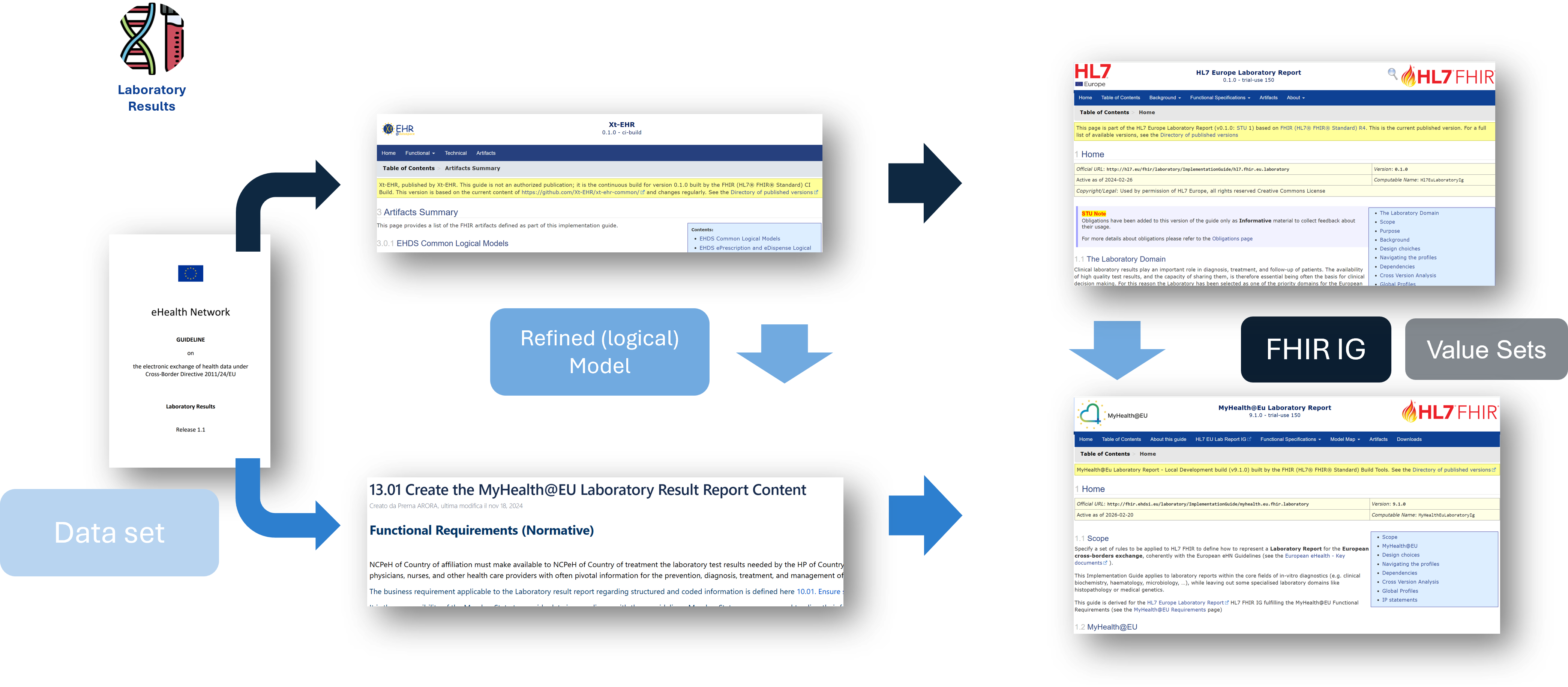
Figure 1 - From the eHN guidelines to the MyHealth@EU specifications
This guide includes three main kinds of content (see figure below):
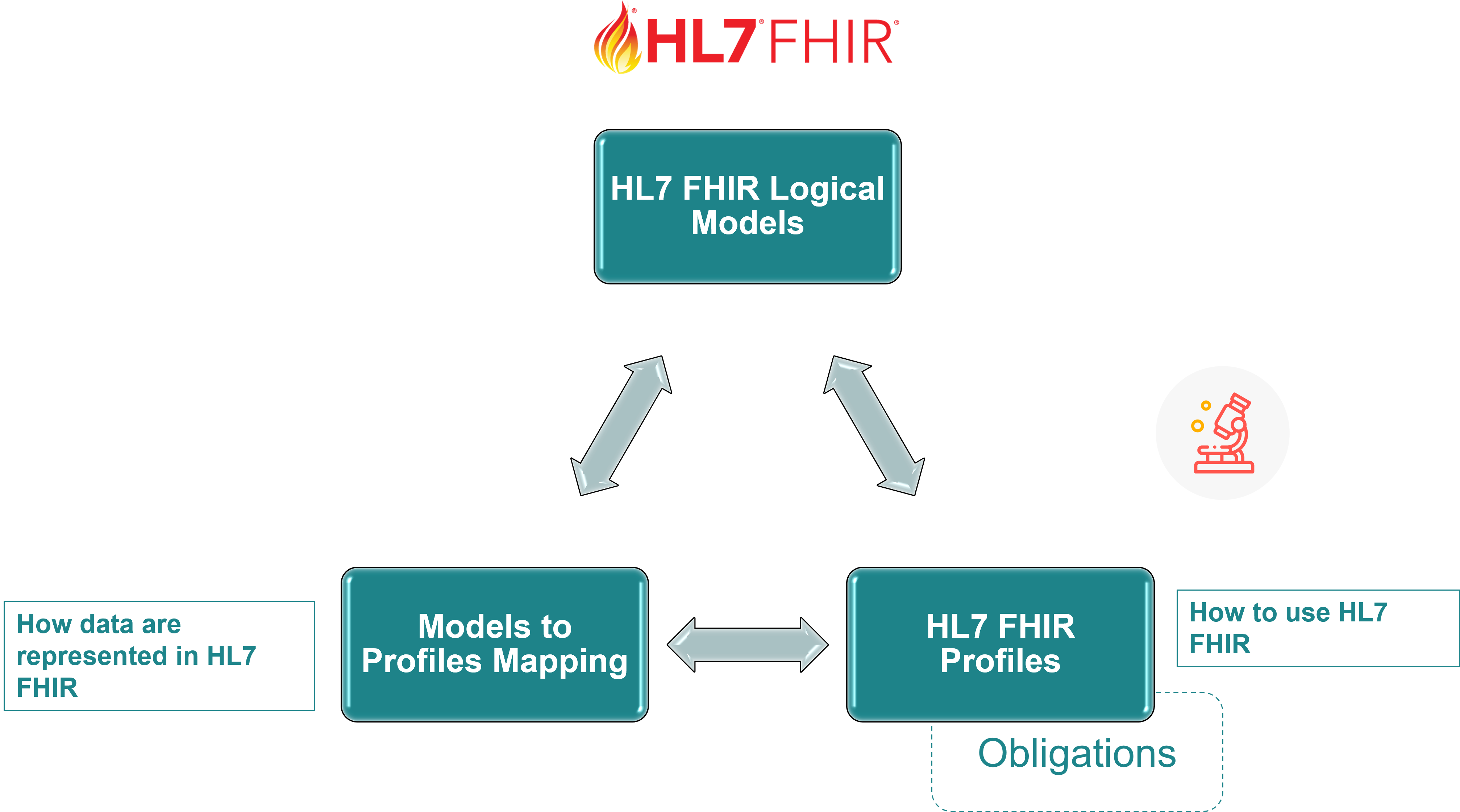
Figure 2 - Guide Content
A detailed description on how to read HL7 FHIR Implementation Guides is provided in the Reading Implementation Guides guide.
This guide uses an actor-based obligations framework to express MyHealth@EU functional requirements on data elements, rather than relying solely on FHIR cardinality or Must Support flags.
Three obligation levels are defined:
SHALL:handle) — the data element must be provided.SHOULD:handle) — the data element must be provided, although exceptional justifications may apply.MAY:able-to-populate) — the data element may be omitted.These are applied via reusable FSH rule sets (ObligationMandatory, ObligationRequired, ObligationOptional) defined in the Core IG.
Implementers should be aware of the differences between HL7 FHIR and HL7 CDA when interpreting obligation levels.
In HL7 CDA, elements can generally be nullFlavored unless explicitly flagged otherwise. In HL7 FHIR, 1.. cardinality implies a truly mandatory element. For this reason, required fields are not necessarily mapped to 1.. cardinality — the data-absent-reason extension is used where a value may be legitimately absent.
The Model to Profile Mappings page documents how each MyHealth@EU logical model element maps to a specific FHIR R4 path in the corresponding profile. Mappings are expressed as tables with three columns:
Note that some logical models map to more than one FHIR profile. For example, MyHealthEuDocument maps to both CompositionMyHealthCore (structured clinical documents) and DiagnosticReportMyHealthCore (report-oriented diagnostic content).
IG © 2026+ MyHealth@Eu. Package myhealth.eu.fhir.core#1.0.0 based on FHIR 4.0.1. Generated 2026-05-04
